Home/Bathroom Remodeling/Bathroom Vanity Installation
Go2you Construction LLC
Bathroom vanity installation in Clarksville, TN
Storage and sink space that fit your bathroom
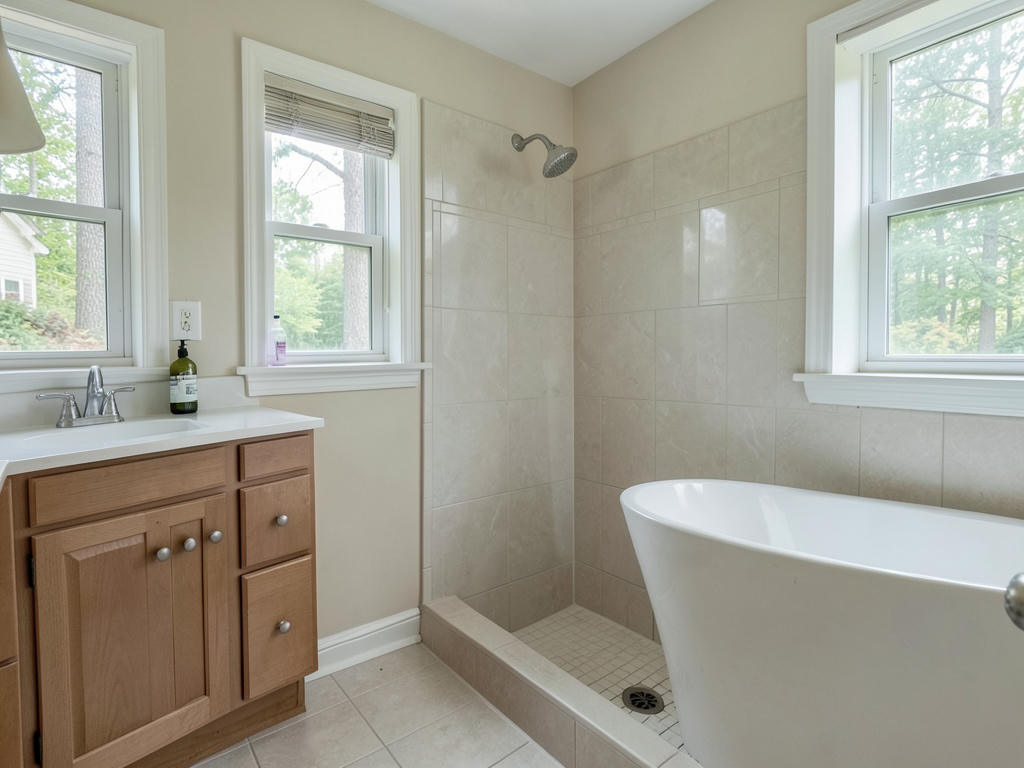
Bathroom vanity installation in Clarksville, TN gives you a chance to improve storage, counter space, and everyday comfort. We help you choose a vanity that fits the room, assess what sits behind the old cabinet, and handle the installation details.
Will a new vanity fit your existing bathroom?
We begin by looking at how the existing vanity fits the room and what you want to change. A wider cabinet can add storage but crowd the toilet or interfere with a door. A deeper top can reduce comfortable walking space. We assess cabinet dimensions, sink placement, drawer clearance, and access to the plumbing together. If the vanity is part of a larger bathroom remodeling project, we discuss those connections early. That helps keep a cabinet choice from creating problems elsewhere in the room.
We also look at the surfaces the old cabinet may be hiding. Flooring sometimes stops at the cabinet edge, and walls can have unfinished areas behind a backsplash. A smaller vanity or an open furniture style may expose those gaps. During the first visit, we explain what is visible and what cannot be confirmed until removal. Your role is to tell us what is frustrating about the current setup and choose options with us. We translate those preferences into a practical scope for the installation.
Which vanity materials and storage options make sense?
We help you compare cabinet construction, storage layout, and finishes based on how the bathroom gets used. Plywood cabinets generally tolerate occasional moisture better than particleboard, but no wood cabinet benefits from standing water. Painted finishes give a consistent look, while stained wood shows natural variation. Drawers make smaller toiletries easier to reach, although drain and supply locations can limit usable drawer space. We look at those conflicts before recommending a cabinet, so the storage you choose works with the plumbing rather than fighting it.
Countertops and sinks bring their own trade-offs. We explain how an integrated sink reduces joints around the basin, while an undermount sink leaves a clear counter edge but needs a compatible top and secure support. Quartz offers consistent patterns and does not require sealing; natural stone varies and may need periodic sealing. Laminate offers many finishes but needs careful treatment around cutouts and seams. We also match faucet hole requirements to your chosen fixtures. The goal is a coordinated assembly, not several attractive pieces that cannot fit together.
How does vanity removal and installation work?
We organize the work around safe removal, sound support, and accurate placement. We protect the nearby work area, disconnect the existing assembly, and remove the cabinet and top as the site conditions allow. Once the vanity is out, we assess the exposed wall, floor, and plumbing connections. Soft flooring, moisture damage, or a deteriorated wall can change the work needed before installation. We explain those findings and the proposed next steps before covering the area with a new cabinet. A new vanity needs a stable base.
We fit and level the cabinet, secure it to suitable support, and position the countertop and sink. Walls and floors are not always square or level, so fitting can involve shims, fillers, and careful adjustments rather than forcing the cabinet against an uneven surface. We complete the connections included in the agreed scope, seal appropriate joints, and test sink drainage and connections for leaks. Doors and drawers get a final adjustment. We finish by cleaning the work area and reviewing the installed vanity with you, including any care needs specific to the selected materials.
What affects the scope and timing of a vanity replacement?
Keeping the new vanity near the existing size and plumbing layout generally limits the number of changes. Moving a sink, adding a second basin, or choosing a wall-mounted cabinet introduces additional work. Wall-mounted models need suitable structural support, and a double vanity needs enough room for both basins and their connections. We assess those requirements before describing the installation sequence. Product availability, delivery condition, and countertop fabrication can also affect scheduling. We discuss these dependencies rather than treating every vanity replacement as the same job with the same duration.
Surrounding finishes can expand the scope even when the plumbing stays in place. Removing a backsplash may damage drywall, and changing the cabinet footprint may expose missing tile. When bathroom tile installation is part of the same update, we coordinate the order of work around cabinet placement and finished floor height. We also account for countertop overhangs, baseboards, and wall gaps. A clear scope distinguishes necessary repairs from optional cosmetic changes, helping you choose how much of the surrounding room you want included.
Bathroom vanity installation in Clarksville and nearby towns
We provide bathroom vanity installation in Clarksville and serve Sango, Woodlawn, Adams, Cumberland City, Dover, Fort Campbell, and Oak Grove. If your search for bathroom vanity installation near me is about replacing one worn cabinet rather than renovating the whole room, tell us that when you call. We can discuss the vanity as a focused project. Photos of the existing setup and details about your preferred cabinet are useful starting points, but an on-site assessment helps establish the fit and conditions that photos may not show.
Getting ready for our visit is mostly about access and personal belongings. We ask you to empty the vanity, remove toiletries from the immediate work area, and keep pets away from the workspace. We discuss access through the house and whether another bathroom will be available while connections are disconnected. If damaged wall surfaces call for drywall repair and installation, we explain how that work fits into the sequence. We also discuss where materials can go and what bathroom use will be interrupted, so you know what to expect.
Questions
Questions about replacing your bathroom vanity
Can you replace my vanity without replacing the floor?
Yes, a vanity can often be replaced without replacing the floor if the existing flooring is sound and covers the needed area. We assess the new cabinet footprint against the old one. A smaller cabinet or exposed legs may reveal missing flooring, old marks, or cut edges that a closed cabinet previously concealed.
Can I change a single sink vanity to a double sink?
A double sink conversion may be possible if the room, cabinet, and plumbing layout can accommodate it. We assess usable width, basin spacing, storage loss, and the connections each sink needs. Two sinks do not always improve a small bathroom, so we explain the trade-off between additional washing space and the counter or drawer space you might lose.
How long will my bathroom vanity installation take?
The timing depends on cabinet fit, plumbing changes, countertop requirements, and any concealed damage. We discuss the likely sequence after assessing the bathroom and the selected products. A replacement using the existing footprint has fewer steps than a project involving wall repairs, new support, or a fabricated top. We also explain when the sink will be unavailable.
Can I choose the vanity and faucet myself?
Yes, you can choose the vanity and faucet, and we help assess compatibility before installation. Cabinet dimensions alone do not establish whether everything fits. We review sink clearance, faucet holes, drain placement, countertop support, and access for connections. Sharing product details with us before the installation helps identify mismatches while there is still an opportunity to choose another option.
What happens if you find water damage behind the vanity?
We explain the damage and the repair work needed before installing over the affected area. A swollen cabinet does not always mean the wall or floor is damaged, but removal can reveal conditions that were hidden. We assess the exposed surfaces, discuss the source of moisture, and clarify how necessary repairs change the agreed scope and sequence.